Tree inspections in Chigwell
If you own, manage, or care for trees on a property in the area, Tree inspections in Chigwell are one of the most sensible steps you can take to protect people, buildings, and valuable landscaping. Chigwell has a mix of mature residential gardens, period homes, newer developments, schools, commercial premises, and boundary trees that sit close to roads, driveways, fences, outbuildings, and overhead lines. That means a careful inspection is not just about spotting a problem; it is about understanding how each tree is growing, how stable it is, and what action, if any, is appropriate.
Local tree inspections help identify issues before they become expensive or dangerous. A qualified inspection can highlight structural weaknesses, disease, deadwood, root constraints, storm damage, and trees that may be affecting neighbouring properties. Whether you are a homeowner in Chigwell, a landlord, a facilities manager, or responsible for shared grounds, a professional assessment gives you clear, practical information you can act on with confidence.
At times, tree work can feel urgent, especially after strong winds or when you notice a sudden lean, cracks in the trunk, fungus at the base, or heavy branches over a roof or public area. In those situations, a local arboricultural inspection is a smart first step. It helps you decide whether monitoring, pruning, cabling, bracing, or removal is appropriate. Not every tree needs work, but every concern should be checked properly.
Why tree inspections matter for Chigwell properties

Chigwell properties often include established trees that add character, privacy, and value. At the same time, these trees can age, suffer weather stress, or become constrained by nearby development and hard landscaping. An inspection looks beyond appearance to assess how the tree is actually functioning. A tree may look healthy from the roadside yet have hidden weaknesses in the root plate, stem, or canopy.
For homes, the main concerns are usually safety, boundary disputes, shading, leaf fall, and storm resilience. For business sites and communal grounds, the priorities may include public safety, liability, access routes, parking areas, and ongoing maintenance planning. A sensible inspection considers the site as a whole, not just the tree in isolation.
Tree inspections in Chigwell are especially useful when trees are growing close to paths, play areas, garages, extensions, conservatories, boundary walls, or heavily used access routes. In a built-up setting, a small issue can quickly become a major one if it is ignored.
What is included in a professional tree inspection?
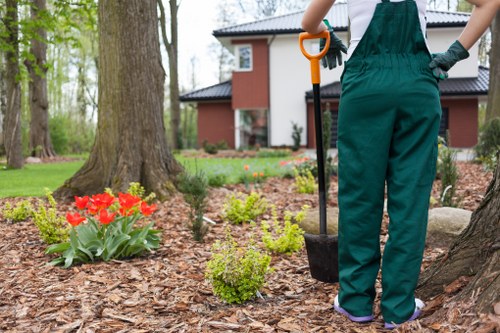
A proper inspection is more than a quick glance. It is a structured assessment of the tree’s condition, its surroundings, and any visible indicators of risk or decline. The inspector will usually look at the stem, root flare, root zone, major limbs, smaller branches, foliage, and signs of decay or disturbance. They will also consider whether the tree is likely to pose a risk to people or property in the foreseeable future.
Depending on the site and the reasons for the visit, an inspection may include observations of soil conditions, signs of compaction, recent ground movement, storm exposure, cavity formation, included bark, deadwood levels, and previous pruning history. If the tree is part of a group, the wider planting area may be considered too, because trees can influence one another’s growth and stability.
Useful outcomes from an inspection often include a clear description of the issue, a recommended action, and the level of urgency. In many cases, the best result is reassurance that the tree is suitable to retain, perhaps with routine monitoring. In other cases, the tree may need pruning, specialist treatment, further investigation, or removal. The key benefit is informed decision-making, rather than guesswork.
When should you arrange tree inspections in Chigwell?

There are several common situations where arranging a tree inspection makes sense. Some are obvious, such as storm damage or a visible lean. Others are more preventative, such as before extending a property, altering hard landscaping, or buying a home with mature trees nearby.
You should consider an inspection if you notice any of the following:
- Cracks in the trunk, major limbs, or unions
- Fungal growth, brackets, or mushrooms at the base or on the stem
- Sudden changes in leaf size, colour, or canopy density
- Dead branches or significant dieback in the crown
- Uplifted soil, exposed roots, or movement at the base
- Branches touching roofs, windows, fences, or utility features
- A tree leaning more than it used to, especially after heavy rain or wind
- Concerns from neighbours, tenants, or site users
- Planning works near protected or mature trees
For many local customers, the decision point is simple: if a tree is close enough to matter, it is worth checking. An inspection is often far more affordable and practical than dealing with damage after a branch failure or root-related issue.
Typical tree inspection needs in the local area
Chigwell includes a broad range of property styles, from larger detached homes with mature planting to smaller gardens where trees are tightly positioned near structures. That variety creates different inspection needs. A tree in a spacious rear garden may need checking for structural integrity and long-term stability, while a tree along a boundary may need assessment for conflicts with neighbours, fences, or shared access. Local knowledge matters because the setting influences the risk.
Commercial and communal sites also benefit from regular checks. Office car parks, retail settings, schools, care environments, and managed estates all have different patterns of use, but they share one thing in common: trees should be assessed with the safety of people and vehicles in mind. A local arborist understands how practical access, site usage, and seasonal weather patterns can affect the inspection process.
Where trees are close to busy roads, driveways, narrow side access, or constrained front gardens, the inspection may need to be planned carefully. That is one reason local tree inspection services are valuable in Chigwell; they can work around real site conditions without creating unnecessary disruption.
How the inspection process works

The process is usually straightforward, but it should be thorough. It begins with understanding why the inspection is needed. Is there a visible concern? Are you planning building works? Has there been recent storm damage? Is the tree part of a larger management plan? The reason for the visit shapes the depth and focus of the assessment.
Next comes the site inspection itself. The arborist will examine the tree from ground level and around the surrounding area, taking note of symptoms, structural features, and site pressures. They may assess whether the tree has enough space to grow safely, whether the root zone has been disturbed, or whether previous pruning has affected its structure. If necessary, they may recommend further investigation by a specialist or repeat monitoring at a later date.
After the inspection, you should receive clear next steps in plain language. That may mean no immediate action, a plan for maintenance, or urgent works if a serious defect has been identified. The best inspections are practical and easy to understand. They help you make a good decision without overcomplicating the situation.
What customers often want to know before booking
Many homeowners and property managers in Chigwell want reassurance that a tree inspection will answer specific questions. Will the tree remain safe through winter? Is the leaning stem actually a risk? Is the fungus serious or just superficial? Is pruning enough, or is removal the safer option? A competent inspection is designed to address these concerns directly.
It is also common to ask whether the inspection will take account of the location of the tree. The answer should be yes. A tree beside a driveway, public footpath, school boundary, or neighbour’s conservatory may require a different level of attention than one standing well away from structures. That context is crucial because the same defect can mean very different things depending on where the tree is growing.
Customers also want a service that feels clear and respectful of their time. A local inspection should be arranged with the site in mind, and the findings should be communicated in a way that helps you act promptly if needed. Practical advice is more valuable than vague reassurance.
Benefits of using a local arboricultural service
Choosing a local provider for tree inspections in Chigwell has several advantages. A nearby team is usually better placed to understand the common tree species in the area, the typical garden layouts, and the access challenges that come with suburban streets and shared boundaries. That can make the inspection more efficient and more relevant to your situation.
Local experience also helps when trees are influenced by nearby development, compacted soils, or regular exposure to wind corridors. Mature trees in and around Chigwell may have adapted over decades, and a trained eye is often needed to distinguish between a normal feature and a meaningful defect. In short, a local inspection is not just about convenience; it is about context.
Local customers benefit from faster site familiarity, realistic recommendations, and advice that fits the property type. That is especially useful where you need a decision before undertaking building work, tree surgery, or landscaping changes.
Common tree issues identified during inspections

Tree inspections can reveal a wide range of issues, some minor and some more significant. Below are some of the most common findings that property owners in the Chigwell area encounter:
- Deadwood in the crown that may fall during high winds
- Decayed limbs or stems with reduced strength
- Stem splits, cracks, or old wound sites
- Fungal infection affecting structural stability
- Root heave or lifting caused by movement or instability
- Canopy imbalance after previous pruning or storm damage
- Sunscald, bark loss, or pest-related stress
- Compaction or disturbance in the root area from vehicles or building works
- Overextended branches close to roofs, fences, or highways
Not every finding means a tree is unsafe. Many trees with minor defects can remain in place with sensible management. The value of an inspection lies in separating genuine concern from normal ageing or cosmetic issues. That distinction can save time, money, and unnecessary tree loss.
In some cases, the inspector may recommend more frequent checks rather than immediate intervention. That can be a practical solution for older trees, protected trees, or specimens with notable landscape value. Monitoring allows you to keep the tree while staying alert to any change.
Tree inspections and property types in Chigwell
The local area includes a variety of property types, and each one brings its own considerations. Detached houses often have mature gardens with established trees that may be valued for screening and privacy. Semi-detached homes and smaller plots can have trees in more confined positions, which means even moderate growth can create pressure against structures or boundaries. Flats, managed estates, and commercial premises may have shared responsibility for tree care, so a clear inspection record becomes especially useful.
Schools, care settings, hospitality sites, and retail properties may also require regular attention due to the constant presence of staff, residents, visitors, or customers. For these locations, the inspection should consider the movement of people and vehicles, the condition of paths and parking areas, and the likelihood of branches or debris affecting daily activity.
Where trees sit on shared boundaries, a fair and professional inspection can also help reduce confusion between neighbours. It provides a factual basis for discussing maintenance, future work, and any needed precautions. That can be particularly helpful in areas where gardens are close together and mature planting crosses property lines.
What may happen after the inspection?
Once the inspection is complete, several outcomes are possible. In some cases, no work is needed and the tree can simply be monitored. In others, the recommendation may be for crown reduction, deadwood removal, selective pruning, or soil improvement. If there is a serious structural defect, the advice may be to restrict access beneath the tree or consider removal.
Sometimes an inspection leads to a bigger planning conversation. For example, a tree may be healthy but too large for its location in the long term. In that case, you may choose to manage it proactively rather than waiting for a problem. That is often the most economical and least disruptive approach.
Good tree management is usually about prevention. A timely inspection can help you avoid emergency callouts, property damage, and unnecessary stress.
Preparing for your tree inspection
There is usually very little you need to do in advance, but a few simple steps can make the visit smoother and more useful. If you know why you need the inspection, make a note of it. If there are specific concerns, such as branch movement, decay, or recent storm impact, point them out at the start. It also helps to mention any recent building work, ground disturbance, or changes to drainage in the area around the tree.
Before the visit, it can be useful to:
- Clear access to the tree if possible
- Move vehicles if they block the root zone or inspection area
- Note any visible changes you have observed
- Check whether neighbours share concerns about boundary trees
- Gather previous tree work records if available
- Identify whether the tree is near structures, paths, or parking areas
If the site has limited access, narrow side passages, steep ground, or restricted parking, mention that when arranging the visit. In Chigwell, access can vary a lot from one property to the next, and local awareness helps the inspection run more smoothly.
Pricing factors: what affects the cost?
It is sensible to ask what influences the cost of tree inspections in Chigwell, even though exact prices depend on the tree and the site. Several factors can affect the time and level of expertise needed. These include the number of trees, their size and maturity, how accessible they are, and whether the inspection is straightforward or requires a more detailed assessment.
Other factors may include whether the site has restricted parking, difficult terrain, shared access, or multiple trees spread across a larger property. If the inspection is being carried out as part of a broader tree management plan, the scope may be wider too. In some cases, a follow-up visit may be recommended if a tree needs to be monitored across seasons or after a period of adverse weather.
What matters most is value rather than chasing the lowest number. A careful inspection from a local professional can help prevent unnecessary work and reduce the risk of overlooking a developing issue. That can save far more in the long run than the initial cost of the assessment itself.
Why detailed inspections can be worthwhile
A more detailed inspection can be useful where the stakes are higher, such as near buildings, public routes, parking spaces, or play areas. It can also be important if you are dealing with a mature specimen that has landscape significance or a tree that may be subject to planning considerations. These situations deserve a careful, evidence-based approach rather than a quick opinion.
Practical customer reassurance
For most local customers, the aim is straightforward: to know whether the tree is safe, whether work is needed, and what should happen next. A good inspection should answer those questions clearly and in a way that is easy to understand. If action is required, you should know why. If action is not required, you should know what to watch for.
Why choose a local company for tree inspections in Chigwell?
Using a local company can make the whole experience easier. They are more likely to understand the types of property layouts common in and around Chigwell, as well as the practical realities of getting equipment, vehicles, and personnel to the site. This matters when a driveway is narrow, parking is limited, or the tree sits behind another property and must be inspected with care and respect for boundaries.
Local teams are also often more responsive when a concern arises after wind, heavy rain, or seasonal leaf drop. If you are worried about a tree’s condition, speed and familiarity can make a real difference. A nearby arborist can assess the situation with the local environment in mind, which helps when trees are influenced by soil type, neighbouring structures, and established garden layouts.
Choosing local tree inspections in Chigwell means choosing practical knowledge, easier scheduling, and advice tailored to real local conditions. That is especially valuable for homeowners, managing agents, and businesses that need dependable, straightforward information.
Areas covered around Chigwell
Tree inspections are often arranged not only in Chigwell itself but also in nearby places where properties and tree stock share similar challenges. Customers in surrounding areas may also need assessments for mature garden trees, boundary planting, estate trees, or commercial grounds. Nearby localities commonly associated with this kind of work include neighbouring residential streets, suburban estates, and mixed-use sites across the wider area.
If your property is in or near Chigwell and you have trees close to buildings, access routes, or public areas, arranging an inspection is a sensible step. Whether the site is a private home, a communal garden, a rental property, or a business premises, the same principle applies: identify issues early and make informed choices.
For customers who are ready to act, contact us today to discuss your tree concerns and request a free quote for the inspection you need. If the matter feels time-sensitive, book your service now so the tree can be assessed without delay.
FAQs about tree inspections in Chigwell
How often should trees be inspected?
That depends on the tree’s age, condition, location, and use of the surrounding area. Some trees only need occasional checks, while trees close to buildings, public spaces, or frequently used routes may need more regular attention. If a tree has known defects or has recently been affected by storms, it may need closer monitoring.
Can you inspect a tree after storm damage?
Yes. In fact, this is one of the most common reasons people arrange an inspection. Storms can expose weaknesses that were not obvious before, including cracked limbs, root movement, and hanging branches. A prompt assessment helps you decide whether the tree can be retained safely or whether urgent action is needed.
Do I need an inspection before building work?
If building work, landscaping, driveway changes, or excavation might affect a tree’s root area, an inspection is highly advisable. Trees can be sensitive to changes in ground level, compaction, and root damage. An early assessment may help you avoid costly conflicts later.
What if the tree is on a boundary?
Boundary trees can be more complicated because responsibilities may be shared or unclear. An inspection can help establish the tree’s condition and inform a practical conversation between neighbours, landlords, or managing agents. It is always better to base decisions on evidence rather than assumption.
Will the inspection tell me if the tree needs to be removed?
If removal is the safest or most practical option, the inspector should explain why. However, removal is not always necessary. Many trees can be retained with the right care, pruning, or monitoring. A professional inspection should help you understand the options, not push you toward unnecessary work.
Make the next step simple
If you are unsure about a tree, do not leave it to chance. A careful inspection can turn uncertainty into a clear plan, whether that means no action, routine maintenance, or prompt tree work. This is especially important in a place like Chigwell, where mature trees often sit close to homes, driveways, shared boundaries, and busy access areas.
Tree inspections in Chigwell are a practical service for anyone who wants to protect their property, reduce risk, and make informed decisions about mature trees. If you have noticed a change in a tree’s condition, are planning works nearby, or simply want peace of mind, now is a good time to arrange an assessment.
Contact us today, request a free quote, or book your service now to get your trees checked by a local team that understands the needs of Chigwell properties.